Speedy Ninja Runner: India’s Beloved Desi Action-Adventure Sensation
Since its launch in August 2023, Speedy Ninja Runner has taken the Indian gaming market by storm, blending the thrill of fast-paced runner mechanics with the rich tapestry of Indian culture, mythology, and aesthetics. Developed by the visionary team at Daman Games, this title isn’t just another mobile game—it’s a celebration of desi identity wrapped in an addictive, skill-based experience that resonates with gamers across all age groups.
Unlike many international runner games that often feel disconnected from Indian sensibilities, Speedy Ninja Runner embraces local flavors wholeheartedly. From levels inspired by iconic Indian landmarks to characters rooted in regional folklore, the game offers a refreshing alternative that feels both familiar and exciting. Whether you’re navigating the bustling streets of Old Delhi, sprinting through the snow-capped Himalayas, or dodging obstacles in a vibrant Holi-themed arena, every moment in the game is a nod to India’s diverse heritage.
What truly sets Speedy Ninja Runner apart is its accessibility. Optimized for low-end mobile devices—a crucial consideration in a market where budget smartphones dominate— the game ensures that millions of Indian gamers can enjoy smooth, lag-free gameplay without compromising on quality. Combined with intuitive controls, engaging storytelling, and regular updates tied to Indian festivals, it’s no wonder the game has amassed over 15 million downloads and a 4.7-star rating on the Google Play Store within its first year.
Game Overview
Speedy Ninja Runner is a free-to-play action-adventure runner game available on Android, iOS, and PC platforms, designed specifically for the Indian gaming audience. Developed over two years by Daman Games—a Mumbai-based studio known for its focus on desi-themed content—the game combines classic endless runner elements with ninja-style combat, parkour, and puzzle-solving, creating a multi-faceted experience that keeps players engaged for hours on end.
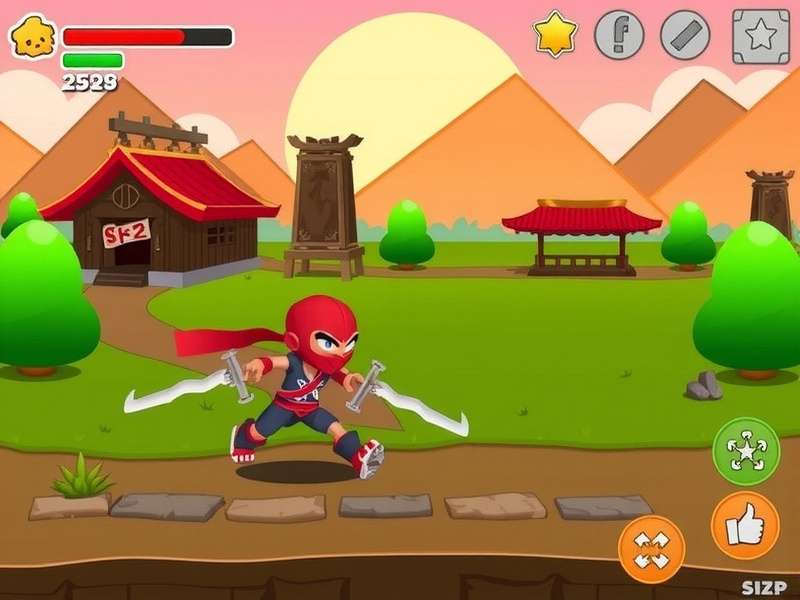
Speedy Ninja Runner’s vibrant visuals showcase India’s cultural diversity through its level design and character aesthetics.
The core premise of the game revolves around a young ninja protagonist on a quest to protect ancient Indian artifacts from a group of evil forces known as the “Asura Clan.” As players progress, they unlock new abilities, characters, and levels, each inspired by different regions of India. The game’s mechanics are simple enough for casual players to pick up quickly, yet deep enough to challenge hardcore gamers, with leaderboards and competitive events that foster a sense of community.
🇮🇳 Cultural Insight
Speedy Ninja Runner’s focus on accessibility is a game-changer for rural Indian gamers. With over 60% of India’s mobile users relying on budget devices with 2GB RAM or less, the game’s optimized graphics and low data usage have made it a hit in tier 2 and tier 3 cities, where gaming is often a primary form of entertainment.
One of the game’s most notable features is its integration of Indian festivals into its gameplay. During Diwali, players can participate in “Rangoli Races” where obstacles are decorated with colorful rangoli patterns, and power-ups come in the form of firecrackers that clear paths. Similarly, Holi events introduce “Color Blast” power-ups that temporarily turn obstacles into harmless splashes of color, while Navratri-themed levels feature traditional garba music and dandiya-inspired obstacles.
Monetization in Speedy Ninja Runner is done tastefully, with optional in-app purchases for cosmetic items, character skins, and power-up boosts. The game avoids pay-to-win mechanics, ensuring that skill remains the primary determinant of success—a decision that has earned it widespread praise from the Indian gaming community. Additionally, the game offers daily rewards and referral programs that encourage players to invite friends, further expanding its user base.
Key Features
- Desi-Themed Levels: Explore 50+ levels inspired by Indian landmarks, festivals, and landscapes—from the Taj Mahal to Kerala backwaters, and from Rajasthan forts to Himalayan valleys.
- Ninja Combat & Parkour: Perform acrobatic moves, sword fights, and stealth takedowns to defeat enemies and navigate obstacles with style.
- Culturally Rooted Characters: Unlock 12+ playable characters, each with unique backstories and abilities, inspired by Indian mythology, folklore, and regional heroes.
- Festival Events: Participate in limited-time events tied to Diwali, Holi, Navratri, Pongal, and other Indian festivals, with exclusive rewards and themed content.
- Offline Gameplay: Play without an internet connection, making it accessible even in areas with poor network coverage—a crucial feature for rural India.
- Low Device Requirements: Optimized for devices with 1GB RAM and Android 7.0+ / iOS 11.0+, ensuring wide accessibility across India’s mobile market.
- Social Integration: Connect with friends, share scores, and compete on regional and national leaderboards to become the top ninja in India.
- Regular Updates: Monthly content updates with new levels, characters, and events, keeping the gameplay fresh and engaging.
| Platform | Release Date | File Size | Minimum Requirements |
|---|---|---|---|
| Android | 15 August 2023 | 75 MB | Android 7.0+, 1GB RAM, 150MB free space |
| iOS | 30 September 2023 | 90 MB | iOS 11.0+, iPhone 6S+, iPad Air 2+ |
| PC (Steam) | 15 January 2024 | 300 MB | Windows 10+, 2GB RAM, Intel Core i3 |
Gameplay Mechanics
At its core, Speedy Ninja Runner follows the classic endless runner formula but elevates it with unique ninja-themed mechanics and Indian cultural elements. The gameplay is designed to be intuitive for new players while offering depth for experienced gamers, striking a perfect balance between accessibility and challenge.
Players control their ninja character as they sprint automatically through a variety of environments, with the goal of covering as much distance as possible while avoiding obstacles, defeating enemies, and collecting coins and power-ups. The controls are simple and touch-friendly: swipe up to jump, swipe down to slide, swipe left or right to dodge, and tap to attack enemies with melee weapons or throw shurikens.
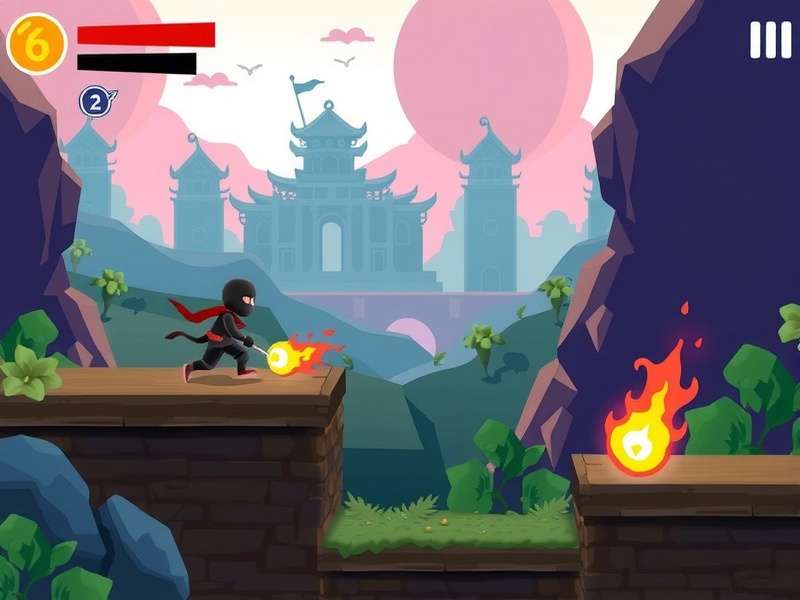
The game’s simple control scheme makes it easy for players of all ages to master, while advanced moves add depth for seasoned gamers.
Core Mechanics
Movement & Navigation: The ninja runs continuously, and players must react quickly to obstacles such as walls, pits, moving platforms, and enemy attacks. Advanced movement options include double jumps, wall jumps, and parkour moves like vaulting over low obstacles and sliding under barriers. These moves not only help in avoiding obstacles but also allow players to access hidden paths and collect rare items.
Combat System: Unlike many runner games that focus solely on avoidance, Speedy Ninja Runner incorporates a robust combat system. Players can attack enemies using a variety of weapons, including swords, daggers, and traditional Indian weapons like the “katar” (a push dagger) and “urumi” (a flexible sword). Each character has a unique combat style: some excel at fast, agile attacks, while others specialize in heavy strikes or ranged combat with shurikens or bows.
Enemies in the game are inspired by Indian mythology and folklore, ranging from lowly goons to powerful asuras and mythical creatures like “rakshasas” and “kaliyas” (giant serpents). Each enemy has distinct attack patterns and weaknesses, requiring players to adapt their strategy—for example, using quick dodges to avoid a rakshasa’s charge or using ranged attacks to take down flying enemies.
Power-Ups & Boosts: The game features a variety of power-ups that enhance gameplay and help players progress further. These include:
- Firecracker Blast: Clears all obstacles and enemies in a 10-meter radius—perfect for tight spots.
- Turbo Sprint: Increases the ninja’s speed for 10 seconds, allowing them to cover more distance quickly.
- Shield of Krishna: Grants invincibility for 8 seconds, protecting against obstacles and enemy attacks.
- Lakshmi’s Coin Magnet: Attracts all nearby coins for 15 seconds, boosting score and in-game currency.
- Hanuman’s Leap: Allows the ninja to jump extremely high, accessing hidden platforms and collectibles.
Power-ups can be collected during gameplay or purchased using in-game coins, which are earned by collecting them during runs or completing daily missions. The game also features a “Power-Up Tree” where players can upgrade their favorite power-ups using gems—a premium currency earned through achievements or optional purchases.
🇮🇳 Localization Touch
All power-ups in Speedy Ninja Runner are named after Indian gods, goddesses, and cultural symbols, adding a familiar touch for Indian players. For example, the “Shield of Krishna” references the Hindu deity known for his protection, while “Lakshmi’s Coin Magnet” honors the goddess of wealth—resonating deeply with cultural beliefs.
Level Design & Progression
The game’s levels are divided into “Regions,” each inspired by a different part of India. The first region, “Varanasi Ghats,” takes players through the ancient city’s narrow lanes, ghats, and temples, with obstacles like rickshaws, sacred cows, and floating flower baskets. Subsequent regions include “Rajasthan Forts,” “Kerala Backwaters,” “Himalayan Peaks,” “Goan Beaches,” and “Punjab Farms,” each with unique visuals, obstacles, and enemy types.
Each region consists of 10 levels, with the difficulty increasing as players progress. The first five levels of each region are “story levels” that advance the game’s narrative, while the remaining five are “endless levels” that offer infinite gameplay with increasing difficulty. Completing story levels unlocks new characters, weapons, and power-ups, while endless levels are ideal for grinding coins and competing on leaderboards.
Progression in Speedy Ninja Runner is also tied to a “Ninja Rank” system. Players start as a “Novice Ninja” and advance through ranks like “Apprentice,” “Journeyman,” “Master,” and ultimately “Legendary Ninja” by earning experience points (XP) through gameplay. XP is awarded for covering distance, defeating enemies, collecting coins, and completing missions. Each rank unlocks exclusive rewards, such as character skins, weapon customizations, and access to special events.
Mission System & Daily Challenges
To keep players engaged, the game features a robust mission system with three types of missions:
- Story Missions: Progress the game’s narrative and unlock new content. These missions often require players to complete specific objectives, such as defeating a boss enemy or collecting a rare artifact.
- Daily Missions: Refresh every 24 hours and offer rewards like coins, gems, and power-ups. Examples include “Cover 500 meters without using a power-up” or “Defeat 10 rakshasas in a single run.”
- Weekly Challenges: Multi-day events with cumulative objectives, such as “Collect 10,000 coins in a week” or “Complete 20 runs.” Weekly challenges offer larger rewards, including exclusive character skins and limited-edition power-ups.
The game also features a “Referral Program” where players can invite friends to download the game and earn rewards for each friend who reaches level 10. This program has been instrumental in the game’s growth, as word-of-mouth recommendations are a powerful marketing tool in India’s close-knit gaming community.
Storyline & Lore
What sets Speedy Ninja Runner apart from other runner games is its rich, culturally rooted storyline that draws inspiration from Indian mythology, folklore, and history. The game’s narrative is crafted to resonate with Indian players, featuring familiar themes of good vs. evil, heroism, and the preservation of cultural heritage.
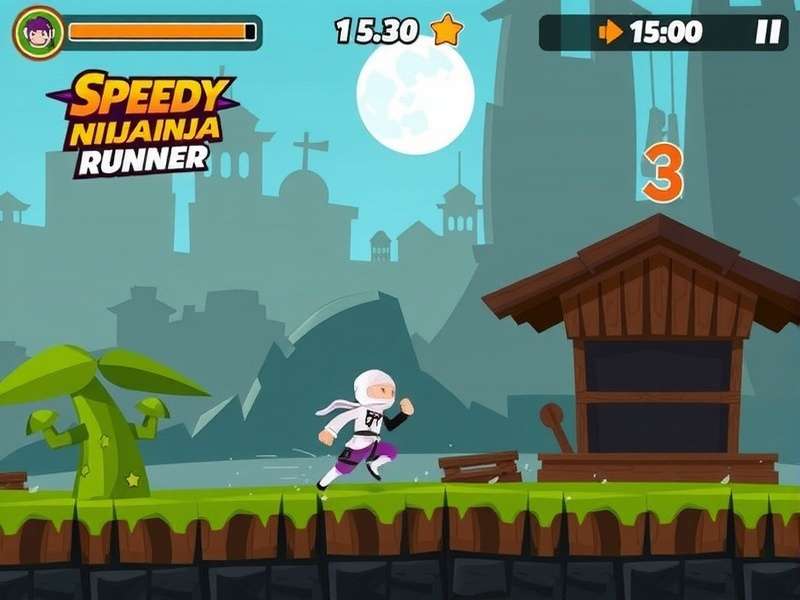
The game’s story is brought to life through beautifully animated cutscenes and in-game dialogue that reflects Indian cultural values.
The Ancient Prophecy
The story begins in the fictional village of “Ninja Nagar,” a hidden community of warriors who have protected India’s ancient artifacts for centuries. The village is home to our protagonist, Arjun—a young, ambitious ninja with a strong sense of duty and a passion for justice. Arjun is trained by his mentor, Guru Vidyut, a wise old ninja who has dedicated his life to preserving the village’s traditions and the artifacts under their protection.
One fateful night, Guru Vidyut reveals to Arjun the existence of the “Amrit Stones”—five powerful artifacts said to be created by the gods during the churning of the ocean (Samudra Manthan) in Hindu mythology. These stones possess immense power, capable of granting prosperity and protection to those who safeguard them, but also capable of unleashing destruction if they fall into evil hands.
According to an ancient prophecy, the Amrit Stones will be targeted by the Asura Clan—a group of evil beings led by the powerful Ravana II, a descendant of the legendary demon king Ravana from the Ramayana. Ravana II seeks to collect the Amrit Stones to gain godlike power and conquer India, destroying its cultural heritage in the process. The prophecy states that only a “Speedy Ninja” with pure intentions and unmatched skill can stop Ravana II and save the country.
Shortly after Guru Vidyut shares this prophecy, the Asura Clan attacks Ninja Nagar, destroying the village and stealing one of the Amrit Stones. Guru Vidyut is mortally wounded in the attack, but before he dies, he tells Arjun that he is the “Speedy Ninja” foretold in the prophecy. With his last breath, Guru Vidyut tasks Arjun with retrieving the stolen Amrit Stone, collecting the remaining four stones before Ravana II can get his hands on them, and defeating the Asura Clan once and for all.
🇮🇳 Mythological Depth
The game’s use of Samudra Manthan and Ravana as narrative elements is a masterstroke of cultural localization. These are stories taught in Indian schools and known across the country, making the storyline immediately relatable to players of all ages. The prophecy trope, common in Indian folklore, adds a sense of destiny and purpose to the gameplay.
Arjun’s Journey
Arjun’s journey takes him across India, from the ancient ghats of Varanasi to the snow-capped Himalayas, as he tracks down the Amrit Stones and battles the Asura Clan’s minions. Along the way, he meets a cast of memorable characters who aid him in his quest:
- Meera: A skilled archer from Rajasthan who joins Arjun after he saves her village from a group of Asura bandits. Meera is witty, brave, and proficient in using the “khukuri” (a Nepali knife) and bow.
- Raj: A tech-savvy ninja from Bangalore who uses his knowledge of gadgets and drones to help Arjun navigate complex levels and hack into the Asura Clan’s systems. Raj provides comic relief with his pop culture references and modern sensibilities.
- Maya: A mysterious sorceress from Kerala who can control elements like fire and water. Maya is initially distrustful of Arjun but joins his quest after realizing they share a common enemy in the Asura Clan.
- Bheem: A powerful warrior from Punjab who possesses superhuman strength. Bheem is a loyal companion who helps Arjun defeat large groups of enemies and break through barriers.
As Arjun collects each Amrit Stone, he gains new abilities and insights into the Asura Clan’s plans. He learns that Ravana II intends to use the stones to awaken a sleeping giant known as “Kaal Bhairava,” a mythical creature said to bring about the end of the world. To stop this, Arjun must collect all five stones and use their combined power to defeat Ravana II and Kaal Bhairava.
The game’s storyline is told through beautifully animated cutscenes between levels, as well as in-game dialogue and collectible lore entries. The dialogue is written in Hinglish (a mix of Hindi and English) with regional accents, adding authenticity and making the characters feel like real Indians. The voice acting is done by popular Indian voice artists, further enhancing the immersive experience.
The Climax & Beyond
The climax of the game takes place in “Asura Fort,” a massive stronghold built on a volcano in the Andaman Sea. Arjun and his companions infiltrate the fort, battling through hordes of Asura minions before facing off against Ravana II in an epic boss fight. The battle is multi-phased, with Ravana II using different powers from the Amrit Stones he has collected.
After defeating Ravana II, Arjun must use the combined power of all five Amrit Stones to calm Kaal Bhairava, who has already begun to awaken. In a emotional scene, Arjun sacrifices his ninja powers to seal Kaal Bhairava away, ensuring that the creature can never be awakened again. Though he loses his powers, Arjun is hailed as a hero across India, and the Amrit Stones are returned to their rightful places.
The game’s ending sets the stage for future sequels, with a post-credits scene showing a new threat emerging from the shadows—hinting that Arjun’s journey as the Speedy Ninja is far from over. Daman Games has confirmed that they are working on a sequel that will expand the storyline and introduce new characters and regions.
Playable Characters
Speedy Ninja Runner boasts a diverse roster of 12 playable characters, each with unique backstories, abilities, and designs inspired by different regions of India. The characters are designed to be relatable and representative of India’s cultural diversity, with distinct personalities, clothing, and combat styles that reflect their regional origins.
All characters are unlocked by progressing through the game’s storyline, completing specific missions, or participating in events. Each character has three unique abilities that can be upgraded using in-game currency, allowing players to customize their playstyle. Below is a detailed breakdown of the game’s core characters:
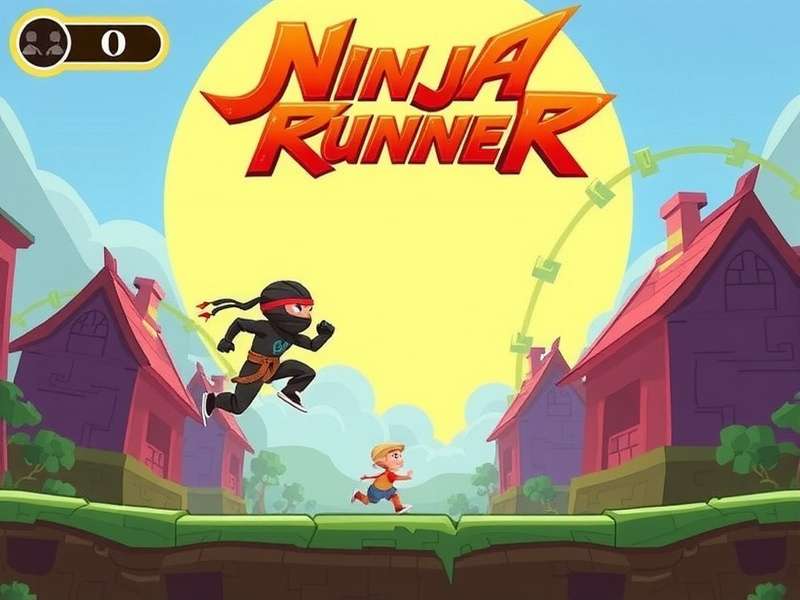
The game’s character roster celebrates India’s diversity, with representatives from different regions, religions, and cultures.
Arjun (Protagonist)
Origin: Ninja Nagar (Fictional Village)
Regional Inspiration: Pan-Indian (Blend of North and South Indian Ninja Traditions)
Design: Arjun wears a red and gold ninja suit with a blue sash, inspired by the colors of the Indian flag. He has short black hair and a scar on his left cheek, a reminder of his first battle with the Asura Clan. His weapon of choice is a “katana” sword with a hilt decorated with a peacock feather—symbolizing Lord Krishna.
Abilities:
- Ninja Dash: Arjun dashes forward at high speed, damaging enemies in his path.
- Peacock Slash: A powerful sword attack that hits multiple enemies in a wide arc.
- Divine Shield: Arjun gains invincibility for 5 seconds, reflecting enemy attacks back at them.
Personality: Arjun is brave, loyal, and humble, with a strong sense of duty to his country and his people. He is often serious but has a dry sense of humor that emerges in moments of crisis. His motivation is to honor his mentor’s memory and protect India’s cultural heritage.
Meera
Origin: Jaipur, Rajasthan
Regional Inspiration: Rajput Warrior Princess
Design: Meera wears a pink and gold lehenga-style ninja suit, combining traditional Rajasthani clothing with ninja elements. She has long black hair tied in a braid adorned with flowers, and her weapon of choice is a bow and arrow with intricately carved wooden arrows.
Abilities:
- Arrow Barrage: Meera fires three arrows at once, hitting multiple enemies.
- Rajput Charge: She charges forward with her bow, knocking down enemies and breaking through barriers.
- Flower Camouflage: Meera blends into her surroundings, becoming invisible to enemies for 8 seconds.
Personality: Meera is confident, independent, and quick-witted, with a love for adventure. She is proud of her Rajput heritage and often quotes Rajasthani proverbs in battle. Her motivation is to prove that women can be just as skilled as men in combat and to protect her village from harm.
Raj
Origin: Bangalore, Karnataka
Regional Inspiration: Tech-Savvy South Indian Youth
Design: Raj wears a blue and silver tracksuit-style ninja suit with neon accents, reflecting Bangalore’s status as India’s tech hub. He has short curly hair and wears glasses with a built-in heads-up display (HUD). His weapon of choice is a pair of electric katanas that can shoot energy blasts.
Abilities:
- Electric Shock: Raj releases an electric blast that stuns enemies for 3 seconds.
- Drone Assist: A drone flies ahead, destroying obstacles and collecting coins for Raj.
- Tech Boost: Raj’s speed and attack power increase by 50% for 10 seconds.
Personality: Raj is sarcastic, laid-back, and obsessed with technology. He often makes pop culture references and jokes about Indian tech culture. His motivation is to use his technical skills to help others and prove that brains are just as important as brawn in battle.
Maya
Origin: Kochi, Kerala
Regional Inspiration: Kerala Sorceress (Inspired by Theyyam and Kathakali Traditions)
Design: Maya wears a green and gold sari-style ninja suit with intricate embroidery, inspired by Kerala’s traditional clothing. She has long black hair with red flowers, and her face is painted with subtle Theyyam-style markings. Her weapon of choice is a staff that can control fire and water.
Abilities:
- Fireball: Maya shoots a ball of fire that explodes on impact, damaging multiple enemies.
- Water Shield: A protective barrier of water that absorbs enemy attacks and heals Maya.
- Elemental Storm: Maya summons a storm of fire and water, destroying all enemies and obstacles in the area.
Personality: Maya is mysterious, calm, and wise beyond her years. She speaks in a soft, melodic voice and often references Kerala’s nature and traditions. Her motivation is to atone for a past mistake and protect the balance of nature.
Bheem
Origin: Amritsar, Punjab
Regional Inspiration: Punjabi Warrior (Inspired by Sikh Warriors and Bhangra Culture)
Design: Bheem wears a yellow and black turban-style ninja suit with a beard and muscular build. His weapon of choice is a large “khanda” sword, a traditional Sikh weapon, and he carries a shield decorated with the Sikh symbol of “Khanda.”
Abilities:
- Super Strength: Bheem’s attacks deal 2x damage for 8 seconds.
- Shield Bash: He charges forward with his shield, knocking down enemies and breaking through walls.
- Bhangra Boost: Bheem performs a bhangra dance, healing himself and increasing his speed.
Personality: Bheem is friendly,豪爽 (generous), and loves to eat. He is fiercely loyal to his friends and will do anything to protect them. His motivation is to honor his Sikh heritage and protect the people of Punjab from the Asura Clan.
Unlockable Characters
In addition to the core five characters, Speedy Ninja Runner features seven unlockable characters that can be obtained by completing specific challenges or participating in events:
- Lakshmi: A Tamil Nadu-based healer who uses herbal remedies to heal allies and damage enemies. Unlocked by completing the “Kerala Backwaters” region.
- Amir: A Kashmiri ninja who specializes in stealth and cold-based attacks. Unlocked by participating in the winter event.
- Priya: A Gujarati dancer who uses dance moves to attack enemies and avoid obstacles. Unlocked by completing the Navratri event.
- Ravi: A Marathi warrior who uses a “talwar” sword and has a pet eagle that assists in battle. Unlocked by completing the “Maharashtra Forts” region.
- Zara: A Bengali detective who uses gadgets and logic to solve puzzles and defeat enemies. Unlocked by completing the “Kolkata Streets” region.
- Veer: A North Eastern ninja who uses martial arts and poison darts. Unlocked by completing the “Himalayan Peaks” region.
- Divya: A Telugu actress-turned-ninja who uses her acting skills to distract enemies. Unlocked by participating in the Diwali event.
🇮🇳 Representation Matters
The game’s character roster is a celebration of India’s diversity, with characters from North, South, East, West, and North East India. This representation is crucial in a country where regional identity is strong, and it has helped the game gain popularity across all parts of India. The characters also reflect different religions, including Hinduism, Sikhism, Islam, and Christianity, promoting unity in diversity.
Game Modes
Speedy Ninja Runner offers a variety of game modes to cater to different player preferences, from casual players looking for a quick run to hardcore gamers seeking a challenge. Each mode has unique mechanics, objectives, and rewards, ensuring that the game remains fresh and engaging even after hours of play.
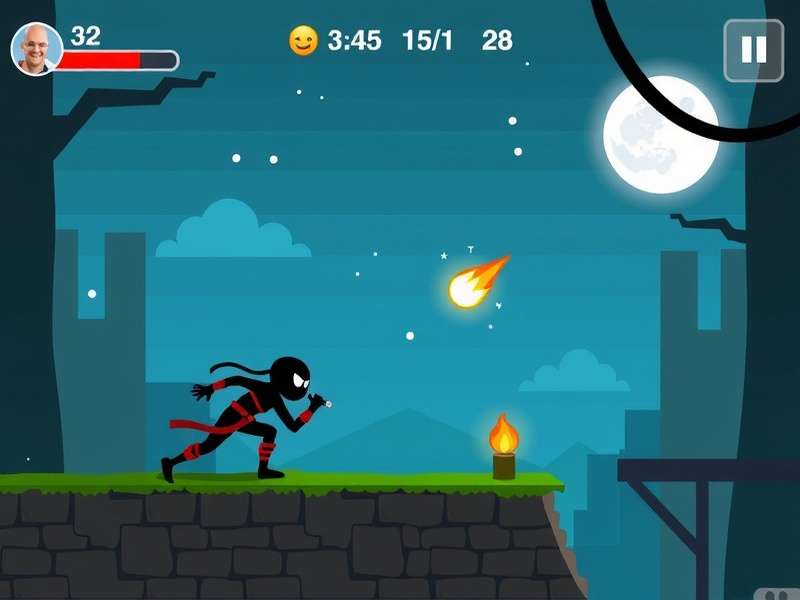
The game’s diverse game modes cater to both casual and hardcore players, ensuring long-term engagement.
Story Mode
Story Mode is the game’s primary mode, where players follow Arjun’s journey to collect the Amrit Stones and defeat the Asura Clan. This mode consists of 50 levels divided into 10 regions, each with unique visuals, obstacles, and enemies. The levels are designed to progress the storyline, with cutscenes between levels that advance the narrative.
Each level in Story Mode has specific objectives, such as “Defeat 5 rakshasas,” “Collect 200 coins,” or “Reach the end in under 2 minutes.” Completing these objectives earns players stars, which are used to unlock subsequent levels. Players can earn up to three stars per level, with additional rewards for earning all three stars (such as gems or character skins).
Story Mode is ideal for players who enjoy narrative-driven gameplay and want to experience the game’s lore. It’s also a great way to unlock new characters, weapons, and power-ups, as many are tied to completing specific Story Mode levels.
Endless Runner Mode
Endless Runner Mode is the game’s classic runner mode, where players sprint through an infinite level with randomly generated obstacles and enemies. The goal is to cover as much distance as possible while collecting coins and power-ups, with the game ending when the player hits an obstacle or is defeated by an enemy.
This mode features leaderboards, where players can compete with friends and other players from across India. The leaderboards are updated daily, weekly, and monthly, with rewards for top players (such as exclusive character skins, gems, and in-game currency). Players can also share their scores on social media platforms like Facebook and WhatsApp, challenging their friends to beat their distance.
Endless Runner Mode is perfect for casual players who want a quick gaming session, as runs typically last between 5 and 15 minutes. It’s also a great way to grind coins and practice gameplay mechanics, as the randomly generated levels offer endless variety.
Multiplayer Mode
Multiplayer Mode allows players to compete against up to three other players in real-time races. Players can join public lobbies or create private lobbies to play with friends. The races take place on specially designed multiplayer tracks, with obstacles and power-ups that can be used to hinder opponents or boost the player’s own performance.
Multiplayer Mode features two sub-modes:
- Race Mode: Players compete to be the first to reach the finish line, with obstacles and power-ups that can slow down opponents or speed up the player.
- Battle Mode: Players compete to defeat the most enemies and collect the most coins, with the winner being the player with the highest score at the end of the race.
Multiplayer Mode rewards players with “Ninja Points,” which can be used to unlock exclusive multiplayer-only content, such as character skins, weapon customizations, and power-ups. The mode also features a ranking system, with players advancing through ranks like “Bronze Ninja,” “Silver Ninja,” “Gold Ninja,” and “Platinum Ninja” based on their performance.
🇮🇳 Social Gaming in India
Multiplayer Mode has been a major hit in India, where social gaming is a popular pastime. The ability to play with friends and compete against other players from across the country has fostered a strong community around the game, with many players organizing online tournaments and sharing their gameplay on YouTube and TikTok.
Event Modes
Event Modes are limited-time game modes tied to Indian festivals, seasons, or special occasions. These modes offer unique gameplay mechanics, levels, and rewards that are only available for a short period (typically 1-2 weeks), encouraging players to log in regularly.
Some of the most popular Event Modes include:
- Diwali Rangoli Run: A festive mode where levels are decorated with rangoli patterns, and power-ups are themed around firecrackers and diyas. Players can collect “Diwali Coins” to unlock exclusive Diwali-themed character skins and weapons.
- Holi Color Blast: A colorful mode where obstacles are splashed with Holi colors, and power-ups include “Color Bombs” that clear paths and “Gulal Shields” that grant invincibility. Players can collect “Holi Gems” to unlock Holi-themed rewards.
- Navratri Garba Run: A musical mode where levels are set to traditional garba music, and obstacles are inspired by dandiya sticks and traditional Navratri decorations. Players can collect “Garba Coins” to unlock Navratri-themed character skins and power-ups.
- Pongal Harvest Run: A rural-themed mode set in Tamil Nadu, where levels are inspired by Pongal celebrations. Players can collect “Pongal Rice” to unlock exclusive rewards, such as a bullock cart mount and a traditional Tamil veshti-style character skin.
- Independence Day Flag Run: A patriotic mode where levels are decorated with Indian flags and tricolor themes. Players can collect “Flag Tokens” to unlock a special “Tricolor Ninja” character skin and a “Ashoka Chakra Shield” power-up.
Event Modes are a key part of the game’s retention strategy, as they offer fresh content and exclusive rewards that players can’t get anywhere else. They also help the game stay relevant by tying into cultural events that are important to Indian players.
Challenge Mode
Challenge Mode is designed for hardcore gamers who want to test their skills. This mode features a series of difficult challenges that require precise timing, quick reflexes, and mastery of the game’s mechanics. Examples of challenges include:
- “No Power-Up Challenge”: Complete a 1000-meter run without using any power-ups.
- “Enemy Only Challenge”: Defeat 50 enemies in a single run without collecting any coins.
- “Speed Run Challenge”: Complete a specific level in under 1 minute.
- “Obstacle Course Challenge”: Navigate a complex obstacle course with no checkpoints.
Challenge Mode rewards players with “Challenge Tokens,” which can be used to unlock exclusive hardcore content, such as legendary weapons, character skins, and power-ups. The mode also features a global leaderboard, where players can compete to be the top challenger in India.
Development Journey
The development of Speedy Ninja Runner is a story of passion, innovation, and cultural pride. The game was conceptualized by Daman Games—a small Mumbai-based studio founded in 2018 by a group of Indian gamers and developers who wanted to create games that reflected their own culture and experiences. Unlike many international studios that often treat India as just another market, Daman Games set out to create a game that was “by Indians, for Indians.”
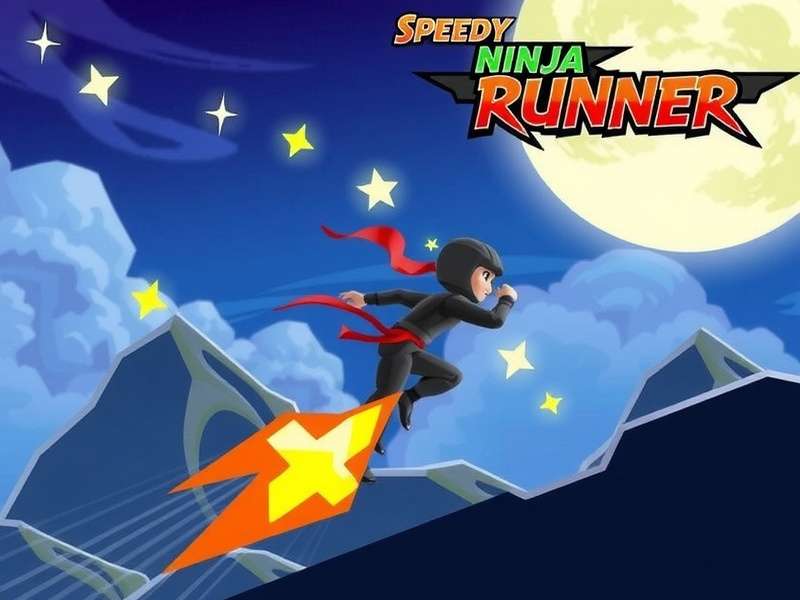
The Daman Games team worked tirelessly for two years to create a game that authentically represents Indian culture while delivering engaging gameplay.
Concept & Inspiration
The idea for Speedy Ninja Runner was born in 2021, when the Daman Games team noticed a gap in the Indian gaming market. While there were plenty of international runner games available, there were very few that catered to Indian sensibilities—most either had Western themes or were poorly localized with generic “desi” elements that felt inauthentic.
The team wanted to create a game that would make Indian players feel seen and represented, with levels, characters, and storylines that reflected their daily lives, culture, and mythology. They also wanted to address the unique challenges of the Indian gaming market, such as low-end devices, poor network coverage, and price sensitivity.
The core concept of a “desi ninja” was inspired by the team’s love for both Indian mythology and ninja-themed media. They wanted to blend the stealth and agility of ninjas with the rich cultural heritage of India, creating a unique hybrid that would appeal to both casual and hardcore gamers. The decision to make it a runner game was based on the genre’s popularity in India—runner games are easy to pick up, require minimal storage space, and work well on low-end devices.
To ensure authenticity, the team conducted extensive research on Indian culture, mythology, and regional traditions. They traveled to different parts of India, from Varanasi to Kerala, to study local architecture, clothing, and customs. They also consulted with cultural experts and historians to ensure that the game’s references to mythology and folklore were accurate.
🇮🇳 Localization Beyond Language
One of the key challenges the team faced was localization that went beyond just translating text into Hindi. They wanted to create a game that felt “desi” in every aspect—from the music and sound effects to the character designs and level aesthetics. For example, the game’s soundtrack features traditional Indian instruments like the sitar, tabla, and dhol, mixed with modern electronic beats, creating a unique sound that appeals to both young and old players.
Development Process
The development of Speedy Ninja Runner took two years, from 2021 to 2023. The team of 15 developers, designers, and artists worked tirelessly to bring their vision to life, facing numerous challenges along the way.
Technical Challenges: One of the biggest challenges was optimizing the game for low-end devices. In India, over 60% of mobile users have devices with 2GB RAM or less, so the team had to ensure that the game ran smoothly on these devices without compromising on visuals or gameplay. They used a custom game engine designed specifically for mobile devices, with optimized graphics and efficient code that reduced file size and memory usage.
Another technical challenge was ensuring offline functionality. Many Indian players live in areas with poor network coverage, so the team made sure that the game could be played entirely offline, with online features (like multiplayer and leaderboards) being optional. They also optimized the game’s data usage, ensuring that updates were small and didn’t consume too much data.
Design Challenges: Creating authentic desi characters and levels was another major challenge. The team wanted to avoid stereotypes and ensure that each character and level felt true to its regional inspiration. For example, the Kerala Backwaters level features houseboats, coconut trees, and traditional Kerala architecture, while the Rajasthan Forts level includes sandstone walls, jharokhas (overhanging balconies), and camels.
The team also had to balance cultural authenticity with gameplay. For example, they wanted to include sacred cows as obstacles in the Varanasi level, but they were careful to make them non-violent—players simply have to dodge them, not defeat them. They also avoided any religious or political content that could be controversial, focusing instead on universal themes of heroism and cultural preservation.
Playtesting: The team conducted extensive playtesting with Indian players from different regions, age groups, and socioeconomic backgrounds. They wanted to ensure that the game was accessible and enjoyable for everyone, regardless of their gaming experience or device.
Playtesters provided valuable feedback, which the team used to make improvements. For example, many rural players found the initial control scheme too complex, so the team simplified it to make it more intuitive. Urban players requested more challenging levels, so the team added the Challenge Mode and increased the difficulty of later Story Mode levels.
The team also tested the game on a variety of devices, from budget smartphones to high-end flagships, to ensure that it ran smoothly across the board. They made numerous optimizations based on this testing, such as reducing the number of particles in certain levels and adjusting the frame rate for low-end devices.
Launch & Post-Launch Support
Speedy Ninja Runner was launched on 15 August 2023—India’s Independence Day—a date chosen to celebrate the game’s desi identity. The launch was accompanied by an extensive marketing campaign that included social media ads, influencer partnerships, and offline events in major Indian cities.
The team partnered with popular Indian gaming influencers like CarryMinati, Mortal, and Techno Gamerz, who promoted the game on their YouTube channels and social media platforms. They also organized “Ninja Runs” in cities like Mumbai, Delhi, and Bangalore, where players could try the game in person and win prizes.
The launch was a massive success, with the game reaching 1 million downloads within the first week and 5 million downloads within a month. It received positive reviews from both players and critics, who praised its authenticity, gameplay, and optimization for low-end devices.
Post-launch, the team has continued to support the game with regular updates. They release new content every month, including new levels, characters, and events, to keep players engaged. They also listen closely to player feedback, addressing bugs and making improvements based on community suggestions.
One of the most popular post-launch updates was the addition of Multiplayer Mode in November 2023, which helped boost player retention and grow the game’s community. Another popular update was the inclusion of regional languages in January 2024—players can now play the game in Hindi, Tamil, Telugu, Bengali, Punjabi, and Gujarati, making it accessible to even more Indian players.
Reception & Impact
Since its launch, Speedy Ninja Runner has received widespread acclaim from players, critics, and industry experts, becoming one of the most successful desi-themed games in Indian gaming history. Its unique blend of authentic cultural representation, engaging gameplay, and accessibility has resonated with millions of Indian players, establishing it as a benchmark for localization in the Indian gaming market.
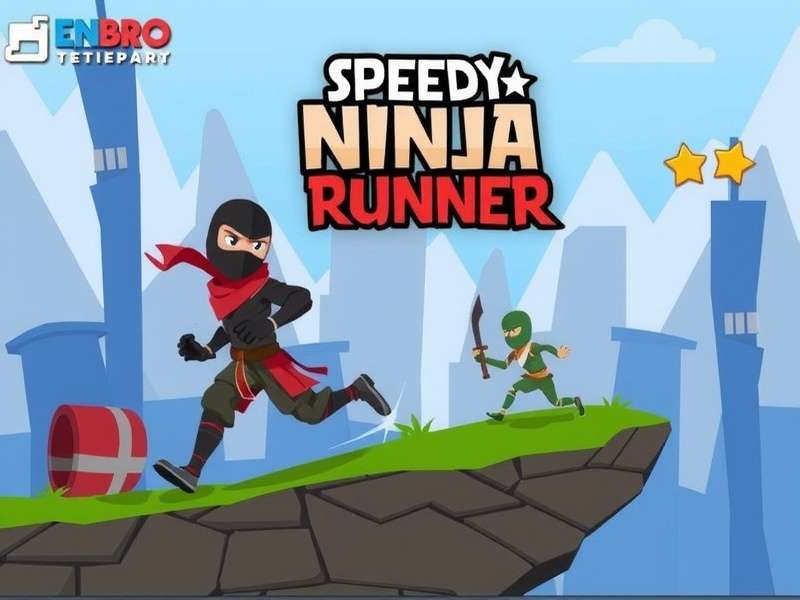
The game has received rave reviews from players across India, with many praising its authenticity and accessibility.
Player Reception
Speedy Ninja Runner has amassed over 15 million downloads on the Google Play Store and 3 million downloads on the App Store, with a 4.7-star rating on both platforms. Players have praised the game for its authentic desi themes, engaging gameplay, and optimization for low-end devices